
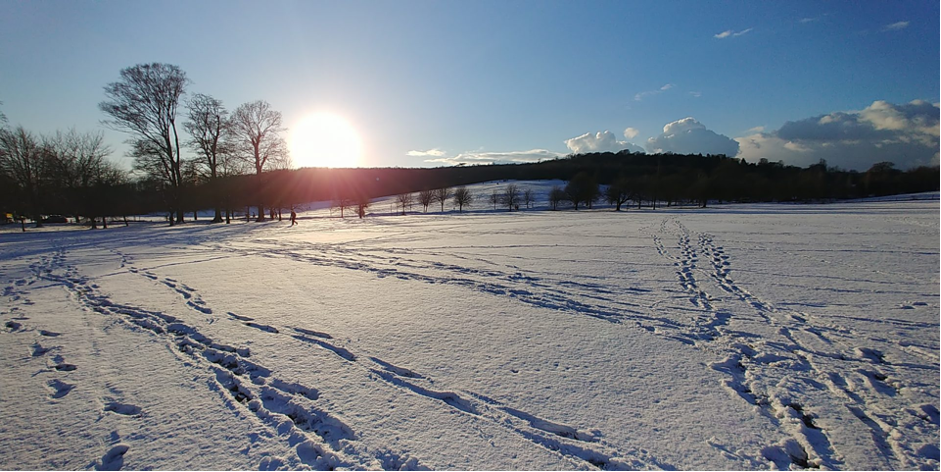
As the days draw shorter, and the nights grow longer, we watch as the world around us changes. Change in weather, change in colour, change in pace. We welcome mornings of crisp coldness and clear skies, and we witness chilly nights, welcomed by movements of starling murmuration’s as the sun fades for the day.
Despite the starlings displays of energetic fluidity in their communal movement, for much of nature, the lengthening nights are a sign to slow down. We witness the deciduous trees losing their leaves, leaving bare skeletal branches. This shedding of leaves is central to their survival, allowing these wondrous beings to conserve energy over the cold winter months. Instead of collecting energy from the summer sunlight, they utilise the depths of their underground roots network to support themselves with water from the frozen soil in which they grow.
For many animals the winter months are a time of food scarcity and challenging temperatures. In order to get through these tough times changes in behaviour are needed to preserve energy supplies. As numbers of insects dwindle with the incoming cold, bats hibernate in sheltered space or bat boxes until their food supply returns. Similarly, hedgehogs and dormice take the darkness as a sign to find a safe place to bed down for the winter months.
Other animals adjust their pace of life with the changing conditions. Badgers significantly reduce their activity, spending more time in their sets, although they will still go out to forage. Whilst many insects pause growth and delay reproduction to survive the harsh conditions, entering a state known as diapause, until the spring.
The cold weather plays a vital role in the natural cycle of life. Many plants also enter a stage of dormancy as the above ground parts die back to save vital energy. This is typically stored in the roots to ensure new growth will be possible when spring arrives. Plants such as primroses and cowslip, require several cold and thaw cycles to germinate, and prosper. Similarly, bulbs like bluebells which remain dormant for much of the year require an extended cold spell to break their dormancy and start the process of growth and eventual flowering. The cold winter months where life rests, and slows down the pace of living, play an essential role in facilitating the flourishing of life in the future.
There is much that we as humans can learn from the examples of the natural world that surrounds us. The oncoming dark can be a difficult, and dare I say depressing, time for many of us. However, taking lessons from the living beings that we share this planet with can help to reframe these times as part of the ever lasting circle of life. Winter can allow a shift in the mental environment. We can choose to embrace the slowing of nature with our own slowing. Combining this with a lowering of the expectations that we often place on ourselves.
Taking the example of the starlings, who join together in sizable flocks to move through the coldness together, finding safety in numbers. These months can provide a chance to come together in new ways, finding comfort in the community around us. This could be through forming connections by spending time outside and close to the earth in community gardens like Living Vital. Or it could be by cooking a meal of seasonal food for you and your loved ones. You could also join a book group and get cosy indoors with your warm liquid of choice, to share thoughts, feelings or reflections about literature and life.
Alternatively, following the teachings of the trees, this could be a time to let habits or patterns that are no longer serving you, fall away. Let them float to the ground as the trees do their leaves. As the trees turn to their roots to provide the necessary nutrients, see this as an opportunity to realign your actions with your core values. How can you continue to stay grounded as the world around you changes?
Time among the trees, or any nature, can be extra nourishing this time of year. Lose yourself in nearby woods, take time to bathe your senses; in the sounds of creaking trees, sights of spiralling leaves, and smells of sweet earth that surrounds you. Appreciating the world around us mindfully can be nourishing for the soul. Making the most of any moments of stillness you find yourself in. Focusing on each sense individually, even for a moment, can lead to a valuable shift in mindset. Living in this way can assist you in finding comfort in the winter world.
Nursing your soul with nature is also possible from within the comfort of your own home. Growing an indoor herb garden, or spending time repotting houseplants, can leave you feeling more connected to the cycles of nature whilst also nurturing lifefulness inside your home.
We can also learn from the animals who turn inwards during the winter months. Nestling into their hibernation by creating a safe, cosy, comfortable place where they can rest and recharge until the light returns. Slowing down, doing less, saying “no thanks” to those unnecessary plans, can be challenging at times. Especially in a world where we want to feel involved, connected, or occupied in some way. But allowing yourself the time and space to conserve both your mental and physical energy supplies can be extremely rewarding. Bringing more restful and restorative practices into your daily routines can play a part in this by facilitating the recharge of our energy levels.
Similar to the plants that will not flower without the cold spells, we humans need time to recharge in order to flourish as our best selves. Taking these times as an opportunity to tune into the natural world around us. A chance to build a life where we are living in rhythm with nature. Increasing our awareness of the changes in the natural world, can allow us to more easily fall into rhythm alongside it. Witnessing the changing seasons around us and feeling the changing sensations within us can be extremely beneficial for our mind, body, and soul.
Written by Stanley Barber